🏆 Latest Achievements
Dr Nandita Palshetkar has been honoured with the Sarvottam Naari Samman Award 2026 and the Lifetime Achievement Award at the ISAR Conference.

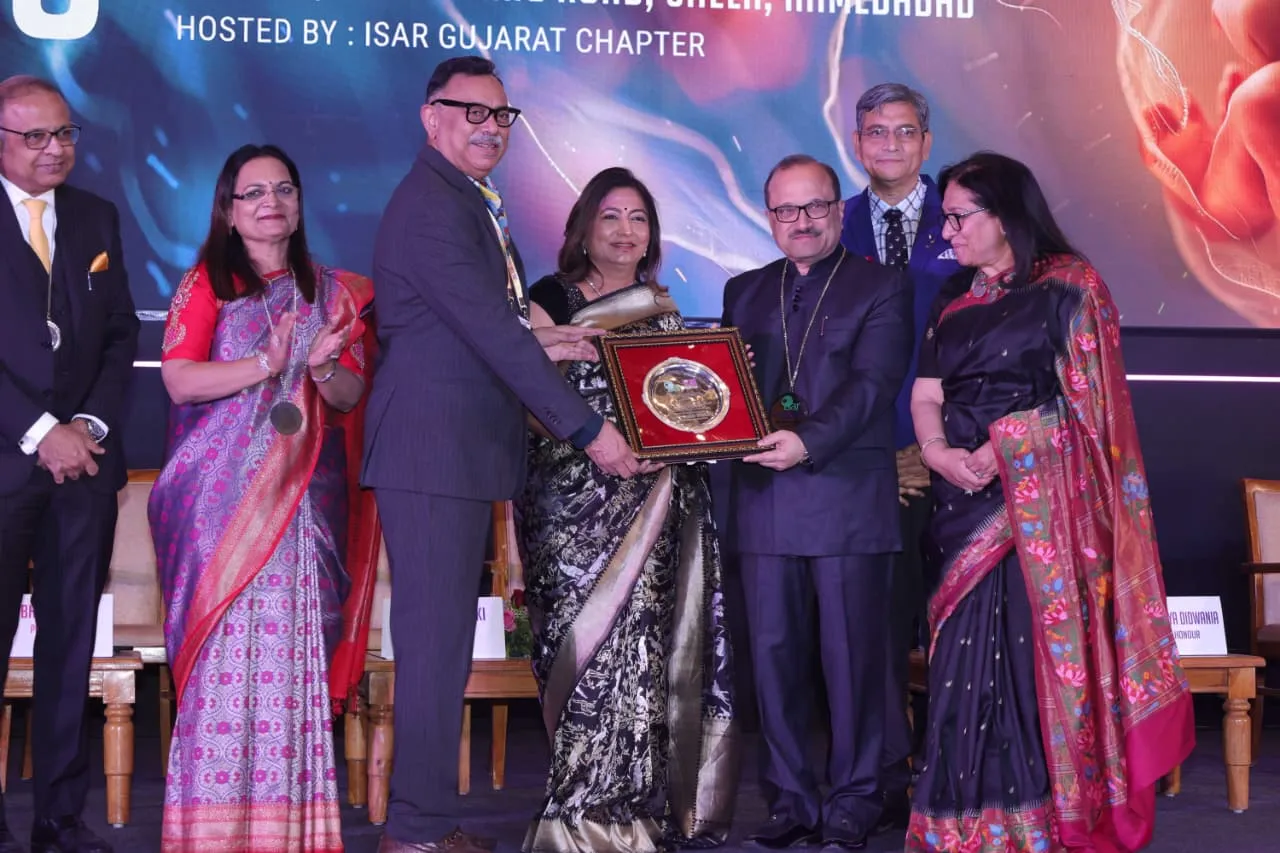

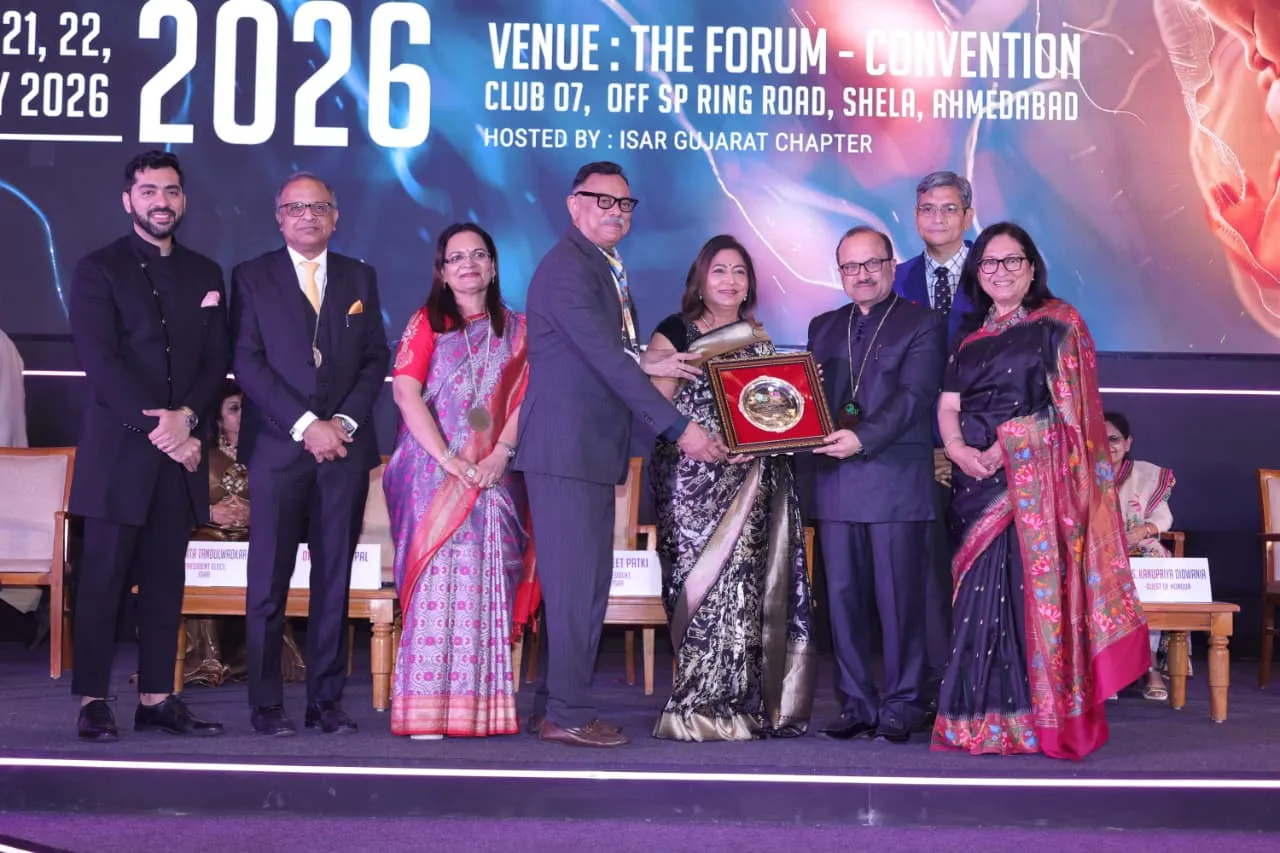
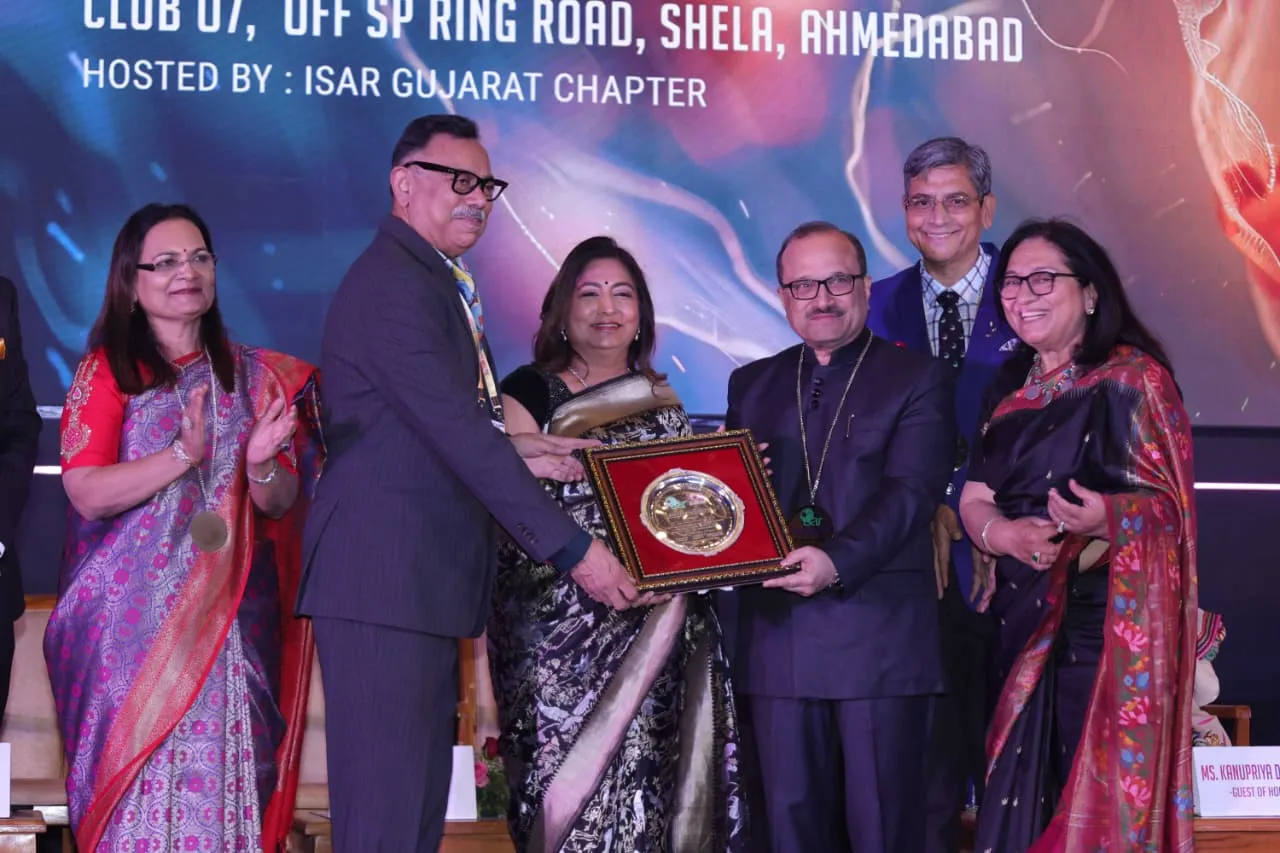

Dr Nandita Palshetkar has been honoured with the Sarvottam Naari Samman Award 2026 and the Lifetime Achievement Award at the ISAR Conference.


E-Brochure Download Now!
IVF success rates are often the first thing patients compare when choosing a fertility clinic. Websites, advertisements, and conversations frequently highlight percentages as indicators of quality. While success rates offer some information, they rarely tell the full story.
The purpose of this blog is to help patients understand how IVF success rates are calculated, why they vary widely, and why relying on numbers alone can lead to unrealistic expectations or unsuitable treatment choices.
Success rates are reported in different ways, which can make comparisons confusing.
They may be calculated:
Some reports exclude patients with complex fertility issues or previous failures. Others may highlight selected age groups with higher success. This variability makes direct comparisons unreliable.
Success rates do not account for individual differences.
They often fail to reflect:
Focusing only on high percentages may lead patients to choose clinics that are not well-suited to their specific needs.
Rather than relying only on numbers, patients may benefit from considering:
These factors influence outcomes far more meaningfully than advertised success rates.
Helpful questions include:
These conversations provide insight into the quality of care rather than marketing metrics.
Success rates can be useful when:
They should not be used as the sole basis for treatment decisions.
IVF success rates offer limited insight when viewed in isolation. Numbers do not reflect individual fertility challenges, evaluation depth, or clinical judgment. Understanding what success rates represent and what they omit helps patients move beyond comparison and toward informed, confident decision-making.
If you feel overwhelmed by IVF success statistics or unsure how they apply to your situation, an informed discussion can help. Reviewing your diagnosis, past treatments, and individual factors with an experienced fertility specialist, such as Dr Nandita Palshetkar, can provide clarity beyond numbers and support more confident decision-making. Book your consultation now!